.png)
Honser Medical Centre
Nasal Polyps
What Are Nasal Polyps?
Nasal polyps are soft, painless, non-cancerous growths that form from the inflamed lining (mucosa) of the nasal passages or sinuses. They typically appear as greyish-white or translucent, teardrop-shaped or grape-like clusters hanging inside the nose. Nasal polyps themselves are not dangerous, but when they grow large or numerous, they can cause nasal obstruction, breathing difficulties, loss of smell, and significantly affect quality of life.
Nasal polyps are common in people with chronic sinusitis or allergic rhinitis, especially those with asthma or aspirin sensitivity. If left untreated, they may lead to recurrent sinus infections or other complications.
Causes of Nasal Polyps
The exact cause is not fully understood, but they are strongly associated with the following factors:
-
Chronic inflammation
Long-term inflammation of the nasal or sinus lining (e.g., chronic rhinosinusitis) causes mucosal swelling and polyp formation. -
Allergic diseases
Allergic rhinitis or other allergic reactions can irritate the nasal mucosa and increase risk. -
Asthma
People with asthma, particularly those with aspirin-exacerbated respiratory disease (AERD/Samter’s triad), are more prone to developing polyps. -
Genetic factors
Family history increases the likelihood. -
Immune system abnormalities
Certain immune disorders cause persistent nasal inflammation and polyp growth. -
Fungal infections
Allergic fungal sinusitis can trigger excessive mucosal reaction and polyp formation.
Symptoms of Nasal Polyps
Symptoms depend on the size and number of polyps. Small polyps may cause no symptoms, while larger or multiple polyps can significantly impair nasal function. Common symptoms include:
-
Nasal congestion/blockage
Persistent stuffiness, affecting one or both sides. -
Loss or reduction of smell (anosmia/hyposmia)
Polyps block odor molecules from reaching the olfactory area. -
Excessive nasal discharge
Persistent runny nose or post-nasal drip. -
Headaches or facial pressure/pain
Blocked sinuses cause pressure buildup. -
Change in voice (hyponasality)
Severe polyps can make the voice sound excessively nasal. -
Sleep disturbances
Snoring or even obstructive sleep apnea.
Diagnosis of Nasal Polyps
Diagnosis is performed by an ENT (Ear, Nose & Throat) specialist using:
-
History and symptom assessment
Detailed questions about nasal obstruction, discharge, smell changes, allergies, and asthma history. -
Nasal endoscopy
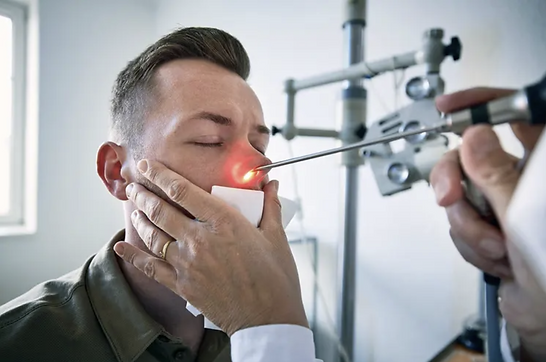
A thin, flexible scope with a camera is inserted to directly visualize polyps and assess their size, location, and number. -
Imaging studies
-
CT scan: Provides detailed images of sinus anatomy and shows blockage extent.
-
MRI: Used when tumor or other abnormalities are suspected.
-
-
Allergy testing
Skin prick tests or blood tests to identify allergens if allergic rhinitis is present.
Treatment Options for Nasal Polyps
The goals are to shrink polyps, relieve symptoms, and prevent recurrence. Common treatments include:
-
Medical (drug) therapy
-
Intranasal corticosteroid sprays: Reduce inflammation and shrink polyps (first-line treatment).
-
Short courses of oral or injectable corticosteroids: For severe cases to rapidly reduce size quickly.
-
Antihistamines and decongestants: To control allergy-related symptoms.
-
Antibiotics: If there is a concurrent bacterial infection.
-
Biologic agents (e.g., dupilumab, omalizumab, mepolizumab): Targeted therapy for severe, recurrent polyps that don’t respond to standard treatment.
-
-
Surgical treatment When medication fails or symptoms are severe:
-
Functional Endoscopic Sinus Surgery (FESS) A minimally invasive procedure using an endoscope to remove polyps and open blocked sinuses, restoring normal drainage and airflow.
-
-
Long-term management
Continued use of nasal steroids, allergy control, and regular follow-up to prevent recurrence.
For more information or to book an appointment, please call or contact us via WhatsApp.